Understanding and analysing the call
Before diving into proposal writing, carefully analyse the call description and make sure you understand the thematic scope, objectives, evaluation criteria, and requirements of the call. Aligning your concept with the call is crucial for a strong proposal. Don’t forget to check the scope and description of the cluster and corresponding destination to better understand the expected impacts.
Formulate a clear and innovative concept
Crafting a clear and innovative project concept is the foundation of a successful proposal. Define your project’s objectives, expected impact, and scientific or technological breakthroughs early on. It’s important to highlight how your project addresses current challenges and contributes to the broader research or innovation landscape.
Build a strong consortium
Collaboration is a key aspect of Horizon Europe projects. After developing a clear concept for your proposal, you need to start looking for potential partners with complementary expertise and resources to strengthen your consortium. You should seek partners from various backgrounds, such as academia, NGOs, SMEs industry, public sector and other relevant stakeholders to your concept. Make sure that all partners have the right resources and active involvement already during the proposal writing process and that their activities are aligned with the call. Make use of the tools provided by the commission, for example, the ‘Partner Search Function’ on the EU Funding and Tenders Portal. You can check out our previous blog posts on building winning consortia here and the importance of geographical representation in a consortium here.
Develop a work plan early on
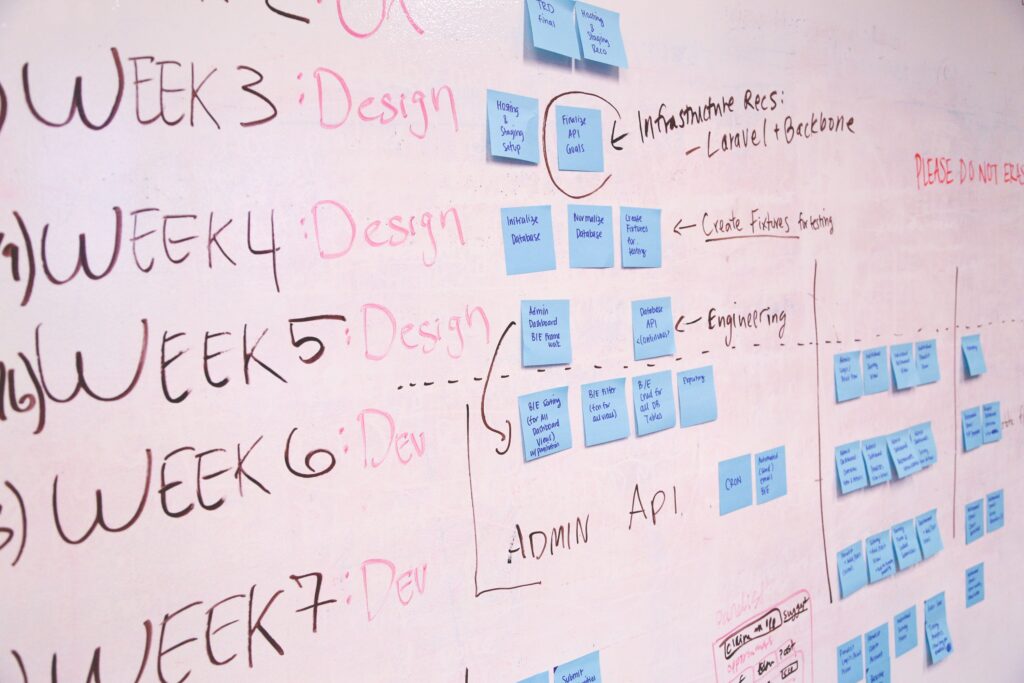
Create a comprehensive work plan that outlines the project’s activities, tasks, and timelines. Define clear milestones and deliverables to demonstrate the project’s progress. Allocate resources efficiently and consider potential risks, mitigation strategies, and contingency plans. Don’t forget to start with creating a writing schedule for the proposal writing proses that the partners can follow and contribute to!
Write clearly and concisely
Effective proposal writing requires clear and concise language. Use simple and straightforward sentences to convey your ideas. Structure your proposal logically, with clear sections and subheadings following the official proposal template. Ensure coherence and flow throughout the document and avoid too many jargon or technical terms that may be difficult for non-specialists to understand. It’s always a good idea to spice up your text with images and illustrations and create an already unique visual identity for your proposal with a logo. Don’t forget to include the mandatory illustrations either, such as the PERT and GANTT charts.
Check and follow the provided guidelines and deadlines
Read carefully the guidelines provided in the call document and the provided template before drafting your proposal. Pay attention to formatting requirements, page limits, and submission instructions. It is also very useful to check the evaluation criteria for your chosen call. Be mindful of the proposal submission deadline, it is advised to submit your proposal at least a day earlier to avoid any last-minute issues with the online submission
Co-creation and regular meetings
A major aspect is to keep in mind that proposal writing should be done through co-creation with all partners contributing to the concept and your draft! Don’t forget that proposal writing should be always based on teamwork and cooperation! Setting up regular meetings and a clear writing schedule will enable the consortium to efficiently contribute to the proposal in a timely manner. You will be surprised how much the original concept can evolve through a good brainstorming session with your consortium.
Starting the proposal writing process for a project requires careful planning, a clear project concept, a strong consortium, and effective communication. By understanding the call, formulating an innovative concept, and following the guidelines, you can lay a solid foundation for a successful project. Remember to invest time and effort in each stage of proposal development, ensuring that your project stands out and has the best chance of securing funding.
For more in-depth tips, real-life stories and hands-on workshops, I encourage you to dive deeper into the subject with our proposal writing free resources, face-to-face courses and webinars coming up this autumn. Check them out here.
Good luck with your proposal writing journey!