It doesn’t matter if organising events makes you giddy with joy or squealing in panic – chances are, if you’re coordinating a Horizon Europe project, or if you are leading communication and dissemination tasks for said projects, you will play a key role in the planning, execution, and follow-up of its final conference. However, putting together a major event from scratch can seem daunting and headache-inducing (trust me, I’ve been there!), which is why it’s important to think ahead and ensure that all necessary steps are taken to set you up for success.
In my five years of experience holding a hybrid role as communication and project manager for EU-funded projects, I have co-organised three final conferences for our projects at Europa Media and Geonardo, as well as a bunch of other smaller events (workshops, General Assembly meetings, and regular conferences). Preparation for these events involved passed down knowledge from senior colleagues, tried-and-tested strategies that are perhaps common sense for communication professionals, and yes, learning from mistakes (we’re all human at the end of the day!). For the sake of clarity, I am breaking down this otherwise lengthy blog into three smaller ones, focused on what you need to do before, during, and after the event to create a good experience for your attendees, build new connections, and ultimately increase the visibility and sustainability of your project’s results. So without further ado, here’s what I recommend you do before your event to turn it from “yet another final conference” to chef’s kiss.
- Choose the date wisely
You don’t want to have your final conference in July-August, when the majority of people are sailing away into their Eurosummers, but you also don’t want to have it during peak periods in the EU bubble, namely June or September, where you might have difficulty in attracting stakeholders already involved in other major events. Easter time might also be something to keep in mind (yes, include Orthodox Easter into your calculations if part of your attendees come from south-eastern Europe). Discuss potential dates with your consortium and try to find the sweet spot between these to hold your event.
*If the month of your event is included in the Grant Agreement and you want to change it, consider discussing this aspect with your Project Officer. They will likely be open to it, as they, too, want to see your project succeed!
- Start planning early
You don’t want to be running around like a headless chicken the month before the final conference, scrambling to put everything together while juggling your other responsibilities in the project (activities, deliverables, and so on). Ideally, you should start preparing for your final conference six months to one year prior. For example, depending on the city in which your conference takes place, finding the ideal venue for both your event’s purpose and budget can take time. Alas, the more details you have sorted out early on, the calmer you will feel around the time of the event, which will increase your capacity to handle unexpected challenges well.
- Create a Masterfile for your event
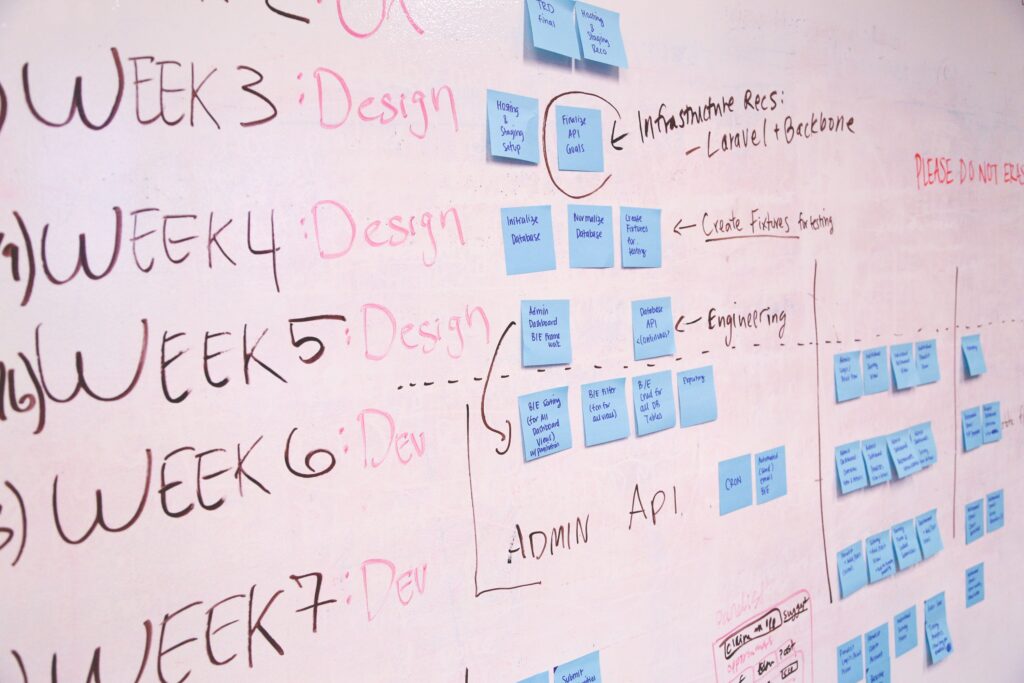
Whether you prefer modern project management tools (think Trello or Asana), or the good old Excel mastersheet, you should aim to have one place where all the tasks are laid out and broken down into concrete steps, complete with deadlines and people in charge. Make sure this file is kept up-to-date and cross things off the list as you go. This will avoid confusion between your team members and will allow anyone to see the status of the tasks in real time – and boost their efforts where needed.
- Put together a good team
There are only so many hours in a day – you will not be able to handle everything on your own (despite what your only-child, hyper independent self tries to tell you – take it from me!). Create a working group, if you will, and distribute tasks within the team to avoid feeling overwhelmed and letting things slip through the cracks as a consequence. If the final conference is a standalone task in your Work Package, choose among the people in the task leading and collaborating organisations.
- Frame your conference the right way
It’s natural to want to brag about all the amazing things you’ve achieved in your project – but rather than being a listicle of all your major results, try to integrate them into ongoing, relevant EU policy debates. This will increase the attractiveness of your event beyond the research communities and will highlight how the work you’ve done has contributed to advance EU priorities – and why supporting such initiatives is essential for the research and innovation ecosystem.
- Send invitations way ahead of time
If you’re counting on the participation of high-level guests, be they European Commission officials or renowned universities professors, a good practice would be to send personalised invitations ahead of time via email. These experts are crazy busy and their calendars fill up soon – make sure they save a spot for your event! A general “save the date” announcement should also be made as soon as you have the date fixed, on your website, social media channels, and across your partners’ networks.
- Set fixed starting and ending times in your agenda
While it’s likely that your agenda will be subject to change until the last couple of weeks before the event, it’s important to decide on the starting and ending times ahead of time – and stick to them. This will help your attendees with their travel arrangements and will prevent unfortunate situations where participants join an event too early or too late (speaking from experience over here…).
- Create a detailed content calendar before the actual event
If you’re the one in charge with the event coverage on social media, you want to avoid unwanted stress during the event so you can pay attention to what’s being said on the stage. A good rule of thumb would be to create a detailed social media calendar ahead of time. For example, you could draft the copy of your social media posts and keep blank spaces for quotes, have your speakers’ social media handles at hand so you can easily tag them, and plan for a selection of photos to accompany each post. This will remove the stress of having to do everything on the spot. 😊
- Involve your sister projects
Make room in your event for your sister projects and other initiatives working towards similar goals, either through setting up a poster exhibition, a panel discussion, or a joint session. The European Commission loves to see these synergies and this is a unique opportunity to showcase how coordinated efforts amplify the impact of EU funding towards a better Europe.
- Always have in mind your project’s KPIs
Adjust your efforts to your project’s KPIs. Let’s say you have a KPI of 100 participants for your final conference – if reaching this number via in-person attendance seems challenging, consider organising a hybrid event. If you’re struggling with your social media KPIs in the project, leverage your final conference as a source of high-quality, useful content that could boost your number of followers and overall visibility. Always go back to what you promised in the Grant Agreement.
Conclusions:
The bad news? You need to put significant effort in to ensure a successful final conference. The good news? It all becomes easier with a proper strategy in place. Use the tips above to design your strategy – and stay tuned for parts 2 and 3 of your series, which will walk you through the steps of what you need to do during and after your event to really make it stand out.