There are certain signs that a proposal deadline is approaching.
The inbox gets fuller. Calendars that looked manageable a few weeks ago suddenly fill with consortium meetings, review sessions and coordination calls. Draft sections begin arriving from partners, often later than expected and in very different stages of completion.
For many Horizon Europe project and proposal managers, the challenge is not managing a proposal in isolation. It is developing competitive proposals while ongoing projects continue demanding attention through reporting deadlines, deliverables, meetings and day-to-day project support.
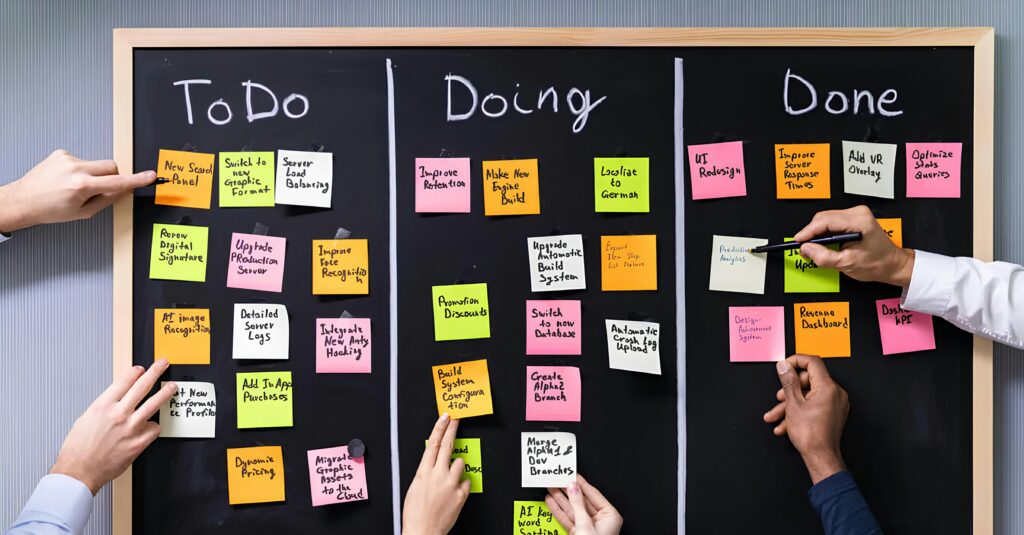
This is why proposal development is rarely just a writing exercise. While timelines, templates and review processes are important, much of the real work involves coordinating people, managing competing priorities and keeping a diverse consortium aligned around a common goal.
As deadlines approach, pressure tends to come from multiple directions at once. Partner feedback arrives late, budget discussions reveal unresolved assumptions and key decisions are still being debated while sections are already being drafted. These situations are not necessarily signs that something has gone wrong. They are a normal part of developing complex proposals across multiple organisations with different priorities and ways of working.
One common misconception is that proposal pressure can be eliminated through increasingly detailed planning. Good planning certainly helps, but no process can remove all uncertainty. Even the most organised proposal will encounter unexpected developments, whether that is a delayed contribution, major reviewer comments or a last-minute change in direction. The goal is not to eliminate disruption but to manage it without losing momentum.
As submission approaches, another challenge emerges. Teams often focus heavily on improving individual sections, sometimes overlooking the proposal as a whole. Yet evaluators do not assess sections in isolation. They assess whether the objectives, methodology, implementation and impact form a coherent and convincing story. In the final stages, consistency often matters more than adding additional detail.
Fatigue can also become a hidden risk, particularly when several proposals or project deadlines overlap. Long hours do not automatically produce better proposals. In fact, tired teams are more likely to miss inconsistencies, revisit earlier decisions or spend time on changes that add little value. The strongest proposal teams are often not those working the hardest, but those that organise reviews effectively, make timely decisions and leave enough time for critical reflection before submission.
Ultimately, surviving proposal season is less about endurance and more about prioritisation. Proposal managers operate at the intersection of future opportunities and current commitments, balancing the development of new projects with the successful delivery of existing ones.
The most successful teams are not those that avoid pressure altogether. They are the ones that establish clear priorities, maintain momentum when plans change and keep the proposal moving forward without losing sight of the bigger picture. In a Horizon Europe environment where proposal development and project implementation often run in parallel, that ability to balance competing demands is one of the most valuable skills a proposal manager can have.