Part 2.
Most posts about proposal coordination, including my own earlier pieces, wrap up right at “now write the proposal.” That is exactly where the actual work starts. Part B is a 30- to 45-page document (depending on the call type and lump sum status) that has to be pulled from a dozen or more different brains in a coordinated way, usually in just six to eight weeks. Here is what that actually looks like.
Sequence first: methodology or work packages?
Once the consortium is happy with the concept note, you have a choice. Some teams start by drafting Work Packages (WPs) and let the methodology emerge from them. Others write the methodology first and let it shape the WPs. On the last proposal we coordinated, we did methodology first, we needed the technical partners to see what each WP could actually deliver, what tools could be used in which Living Lab, before locking the WP structure. On a current one, we are going the other way: a concept note that already implies the methodology, and WPs being built first by their leaders. Both work. Pick deliberately rather than by default.
Prepare the template before partners touch it.
This is the single highest-leverage thing the admin co-coordinator does in the writing phase. Take the official Part B template, strip out all the guidance text and fillers, and keep only the section names, tables, and partner lists. Then, for each section, insert your guidance as comments in the margin rather than body text (page-count targets, what the section needs to cover, anchor points from the call text). For each section, mark in highlighted letters the names of the partners who should be writing it. Set one editing rule and repeat it: assigned partners write with track changes on; everyone else contributes through comments. When partners open the document, they should know exactly where their contribution belongs and what is expected of it.
Who writes what, and in what order.
Section 1.1 (Excellence) is led by the coordinators, with partners contributing where they have specific input. Section 1.2 (Methodology) is written by the technical partners with support from someone who understands the horizontal issues from gender aspects to open science (Hint: this can be your co-coordinator). Section 2 (Impact) is led by the coordinators and the dissemination, communication and exploitation partner, with targeted input from WP leaders on their specific Key Exploitable Results. Section 3 (Implementation) is built by everyone, because that is where the WPs live, where the consortium is described. Default writing order: 1.1, then 1.2 with the WPs in parallel, then Section 2 once the KERs are clear. Impact written before the WPs is impact written blind.
Work packages with leader autonomy.
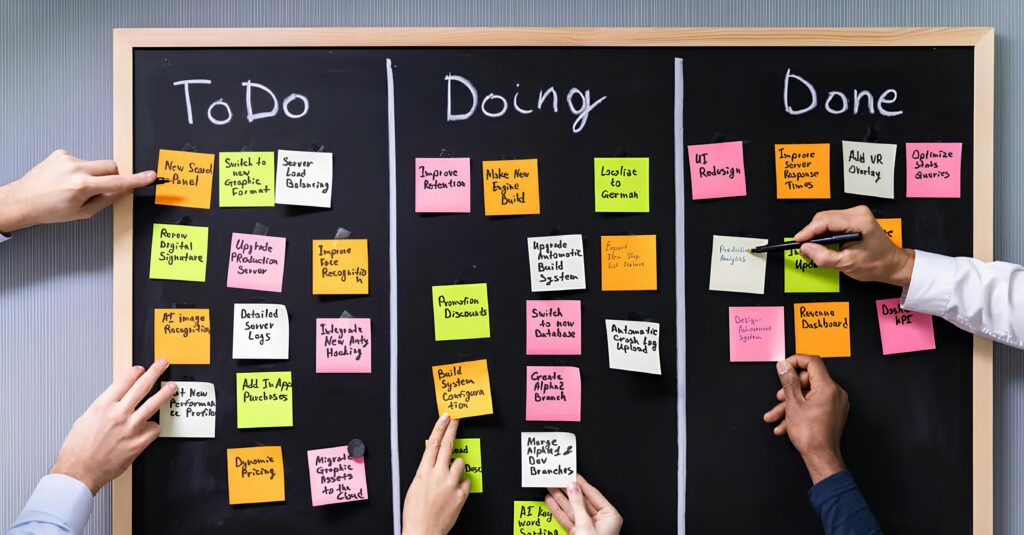
Assign WP leaders early, through volunteering or assignment, and run a WP-leaders meeting plus WP kick-off meetings for each. Give leaders autonomy to run their own WP with the contributing partners. The coordination team should be invited to everything but not host everything. Two rules I hold strictly: every task needs at least two contributing partners (no partner solos a task), and each WP description should fit on roughly one page including number, name, timeline, lead, contributors, objective, tasks with owners and timing, deliverables, milestones. Keep a WP description template on the workspace so partners produce comparable outputs.
Timelines, person months, and the Lump Sum budget.
This is where the methodology turns into hard numbers. You must map out the exact start and end months for every single task. The Commission only requires Person-Month (PM) totals per WP, but you cannot build a credible Lump Sum budget without breaking effort down to the task level first. Once partners see exactly which tasks they are contributing to and over what specific months, they can calculate the precise PMs required. Combined with their PM rates from Part A, the budget begins. Under a Lump Sum grant there is only technical reporting at implementation stage, no financial reconciliation, which means the budget at proposal stage has to be exactly right. Expect weeks of partner-by-partner negotiation on what is eligible, what is justified, and what fits within the call’s budget envelope.
Last-mile QA: the work nobody writes blog posts about.
The final period is about solidifying the proposal. At a fixed cut-off date—typically 7–10 days before submission—the coordination team pulls the online Part B document from partners. After that, no partner contributes directly to the draft. From here on, only the coordination team does the consolidation and clean-up, following up with partners individually only if necessary. This phase focuses on standardising Part B, consolidating tables and diagrams, ensuring the narrative flows well, is visually consistent, and strictly fits all official guidelines and expectations. It also means locking the admin and budget to make sure the financials are perfectly supported by the text, Part A is entirely filled out, and no critical information is missing. Finally, we audit the logic to catch unlabelled deliverables and ensure there are no missing dates or undefined owners for tasks. None of this is glamorous. All of it is exactly what an evaluator notices when it is missing.
The AI disclosure you have to make at submission.
The official Horizon Europe application form template requires applicants who used AI in proposal preparation to provide a list of sources used to generate content and citations (including AI-generated ones) and to acknowledge the AI tool’s limitations, bias, errors, gaps in knowledge. On top of that, the ERA living guidelines ask applicants to declare substantial use of generative AI. Substantial means more than basic editing support, it covers anything that meaningfully shapes content. The practical implication: track AI use across the consortium during development, not retroactively. This responsibility sits with the admin co-coordinator, ensure partners report their substantial AI use directly to the coordination team during development. Asking partners at submission what they did with AI six weeks earlier is asking for trouble.
Part B development is craft, not just process. The science belongs to the technical partners. The document belongs to the admin co-coordinator. Holding it together, the structure, the consistency, the page count, the disclosures, the matrix that nobody else has time to redraw at 11 PM, is the job.
The Horizon Europe Academy covers the full proposal development cycle, including Part B writing in depth.