It was back in 2016 when our journey in the startup world begun.
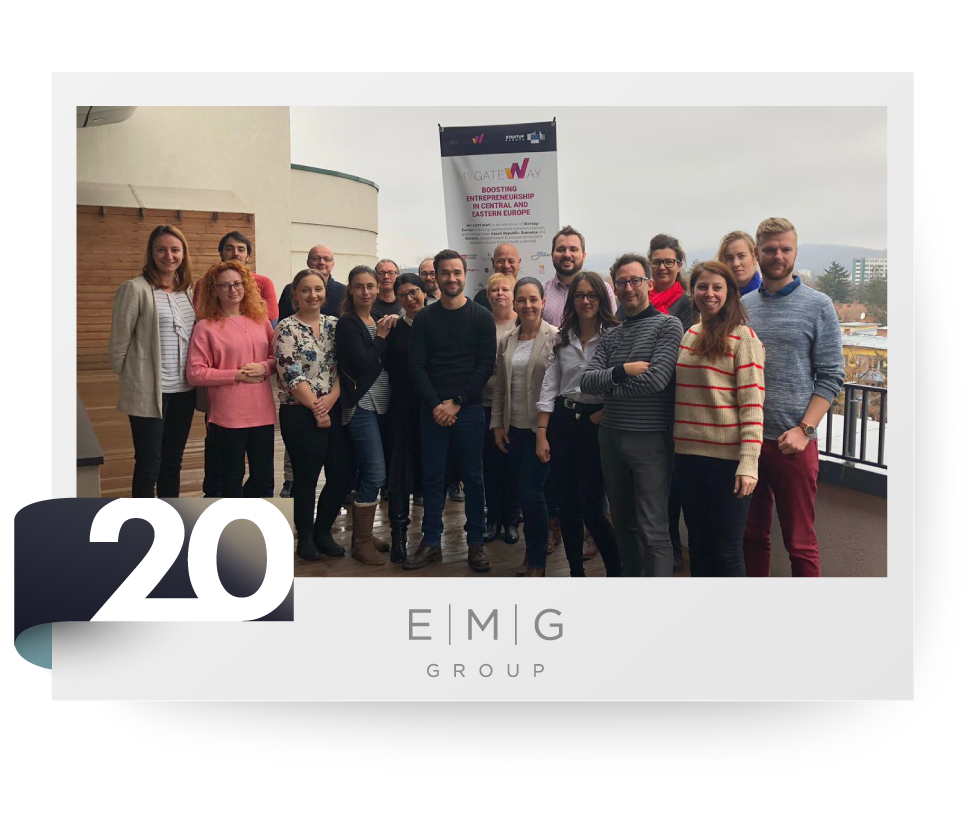
MY-WAY, an EU project which focused on student entrepreneurship, opened a door we didn’t know existed. We dived into a network of accelerators, students’ associations, mentors and hubs, which, at a later stage, evolved in an even bigger EU project: MY-GATEWAY.
This time the primary beneficiaries were Central and Eastern European startups and SMEs. MY-GATEWAY was dynamic and restless, just like our main target: young – and not so young – entrepreneurs with a real drive to do more. Are you familiar with the proverb which goes ‘smooth seas do not make a skilled sailor’? MY-GATEWAY tested it and proved it. Deliverables got rejected, KPIs updated, some tasks deleted to be replaced with actions that, after all, would be more useful for startups. Because sometimes you just need to wait and see if something works or not. And if it doesn’t, you need to accept the defeat, pivot and start again.
MY-GATEWAY ended in 2019. And what did it leave behind? A startup event which has recently concluded its second edition, Untold Stories Budapest, the Startup Europe Networks – a great community of key entrepreneurial ecosystem players across the CEE and beyond, and the will to spread knowledge on EU funds and opportunities for startups.
And it all started with one project.
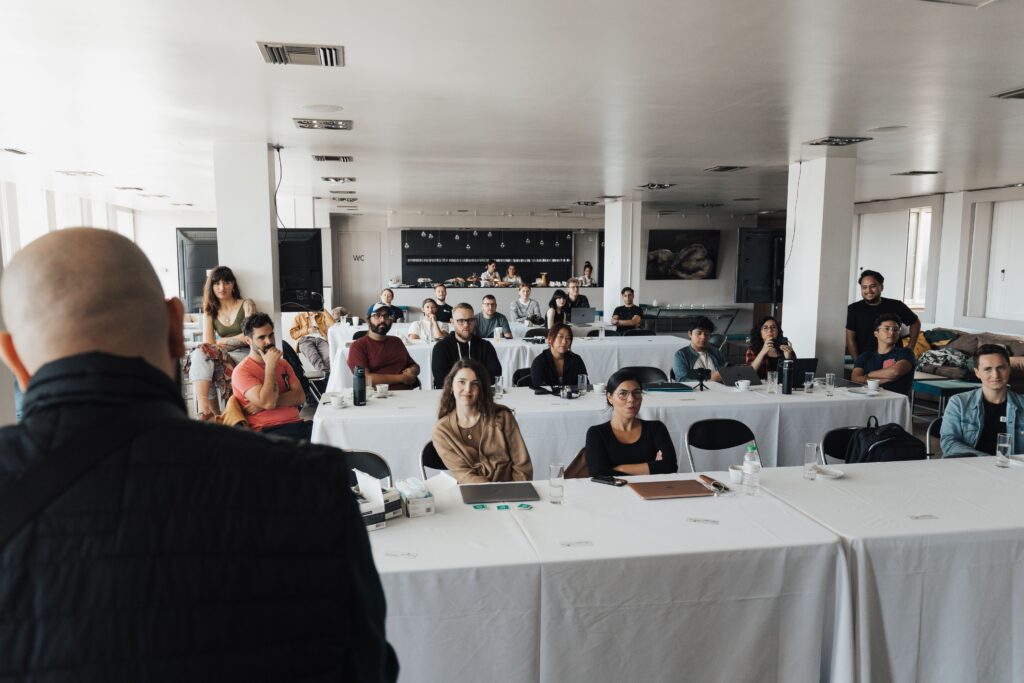
Towards the end of MY-GATEWAY, we imparted workshops on EU opportunities for SMEs. We were surprised to see that even the most popular opportunities were unknown to our public. So, we decided to create a short eLearning out of it, something that can give you the basics on both public and private opportunities.
If you’re interested, you can take a look at our eLearning on Private and Public Funding for SMEs here.
In the meantime, let’s answer some of the most recurring questions we were asked at those workshops.
Popular questions on EU opportunities for startups and SMEs.
-
What are the funding opportunities available?
The opportunities are infinite, and the funding can range from a few thousand euros to a few million. Some funding can be channelled directly to the beneficiary, and others go through third parties. The focus goes to the areas of research and innovation, but don’t despair. Take a look at COSME funding programmes, Interreg and EIT kick, and you’ll find many more areas.
-
Should you apply as an individual company or consortia?
The European Commission likes to see the collaborative element, so most opportunities are for a group of organisations. Why? It is almost given for granted that one company does not suffice. We’re stronger together, and probably you’ll find specific skills, infrastructure and breakthrough innovations outside your own business.
-
What is the Technology Readiness Level (TRL)?
One common denominator for many types of funds is the Technology Readiness Level. The range varies from TRL 1 to 9. TRL 0 is what is commonly referred to as ‘idea stage’, whereas TRL 9 is the point in which your product is ready to be commercialised. In between, we can find prototype development and any refinement of operating systems which can eventually lead to being market-ready.
Did you know that the higher up you are on the TRL scale, the less funding you will receive? From 100% funding at TRL 4 or 5, you can go down to 70%, which is how much TRL 9 stage companies are usually funded.
-
How competitive are these programmes?
One of the most popular programmes is the EIC Accelerator programme (ex SME instrument), now more competitive than ever. Recently, the success rate is below 1%, which is a bit of a disheartening figure. Generally, those companies which make it through have shown a high potential to create impact, grow and create jobs. Other essential factors are the evaluators themselves and their own experience and backgrounds.
-
One tip to make your application successful.
Make sure you nail your storytelling. Your proposal has to be clear, the business side has to be shown, and it needs to stand out. Grab the evaluators’ attention!